
How to Vet Digital Signage: 5 Hardware Checks for Enterprise Rollouts
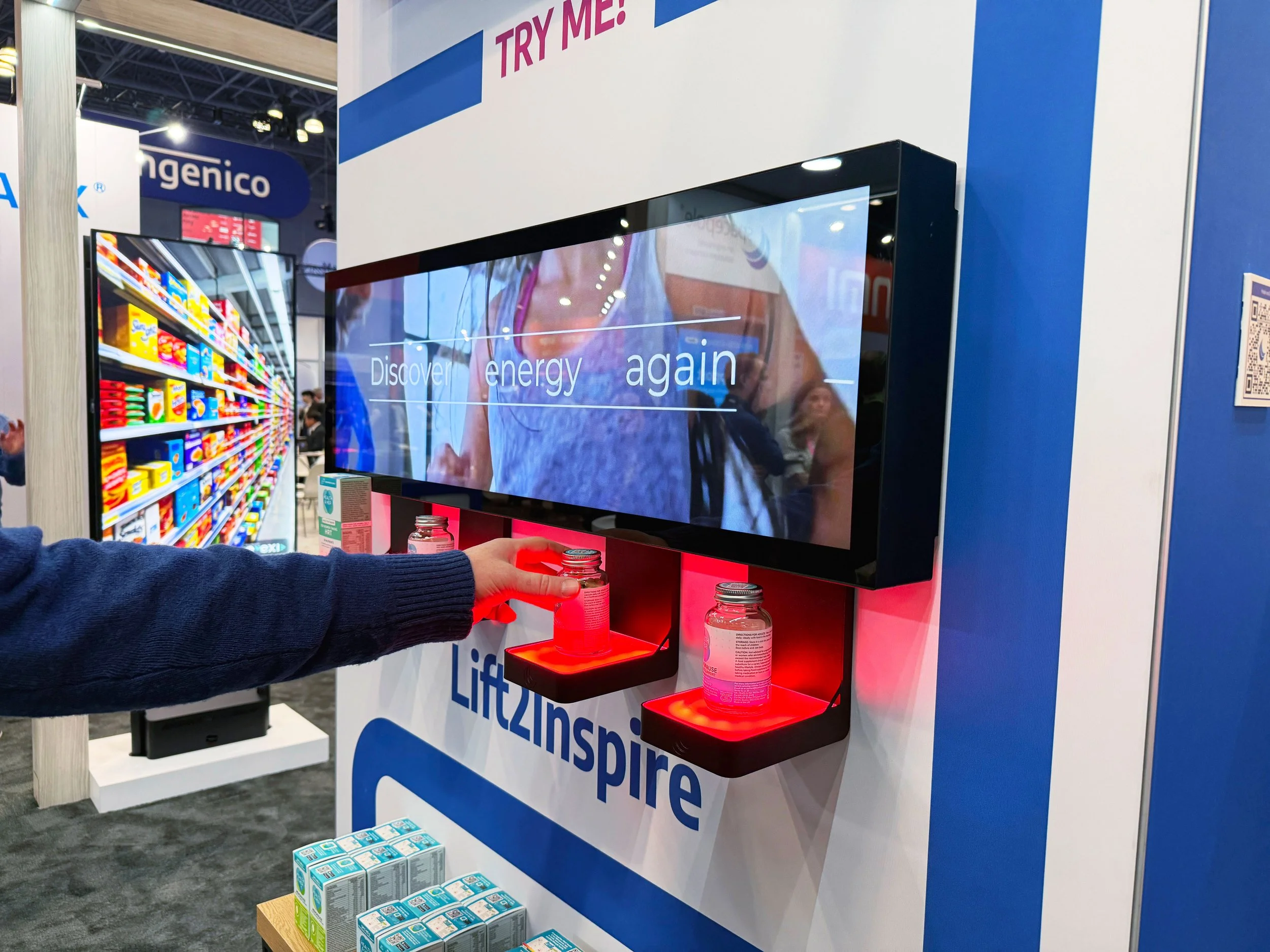
Rolling out digital signage across multiple locations is an exciting milestone-but it also comes with unique challenges. Whether you're deploying displays across retail stores, corporate offices, healthcare facilities, restaurants, transportation hubs, or educational campuses, the hardware you choose today will directly impact your installation timeline, maintenance costs, and long-term success.
While display size and image quality often get the most attention, experienced AV integrators, IT teams, and channel partners know there are several other factors that matter just as much. Reliability, operating system flexibility, remote management, logistics, and manufacturer support all play an important role in creating a digital signage network that performs consistently for years.
At Bluefin, these considerations are built into every commercial display. From ready-to-ship Core Screens to fully customized display solutions, Bluefin designs commercial digital signage hardware that helps organizations deploy faster, manage displays more efficiently, and scale with confidence.
Before investing in your next deployment, here are five key areas to look at.
1. Start with Hardware Built for Commercial Use
One of the biggest mistakes organizations make is purchasing displays designed for consumer use rather than commercial environments.
Commercial digital signage operates differently. Displays often run 16 to 24 hours a day, seven days a week, showing dynamic content continuously. That level of usage requires hardware specifically engineered for reliability and longevity.
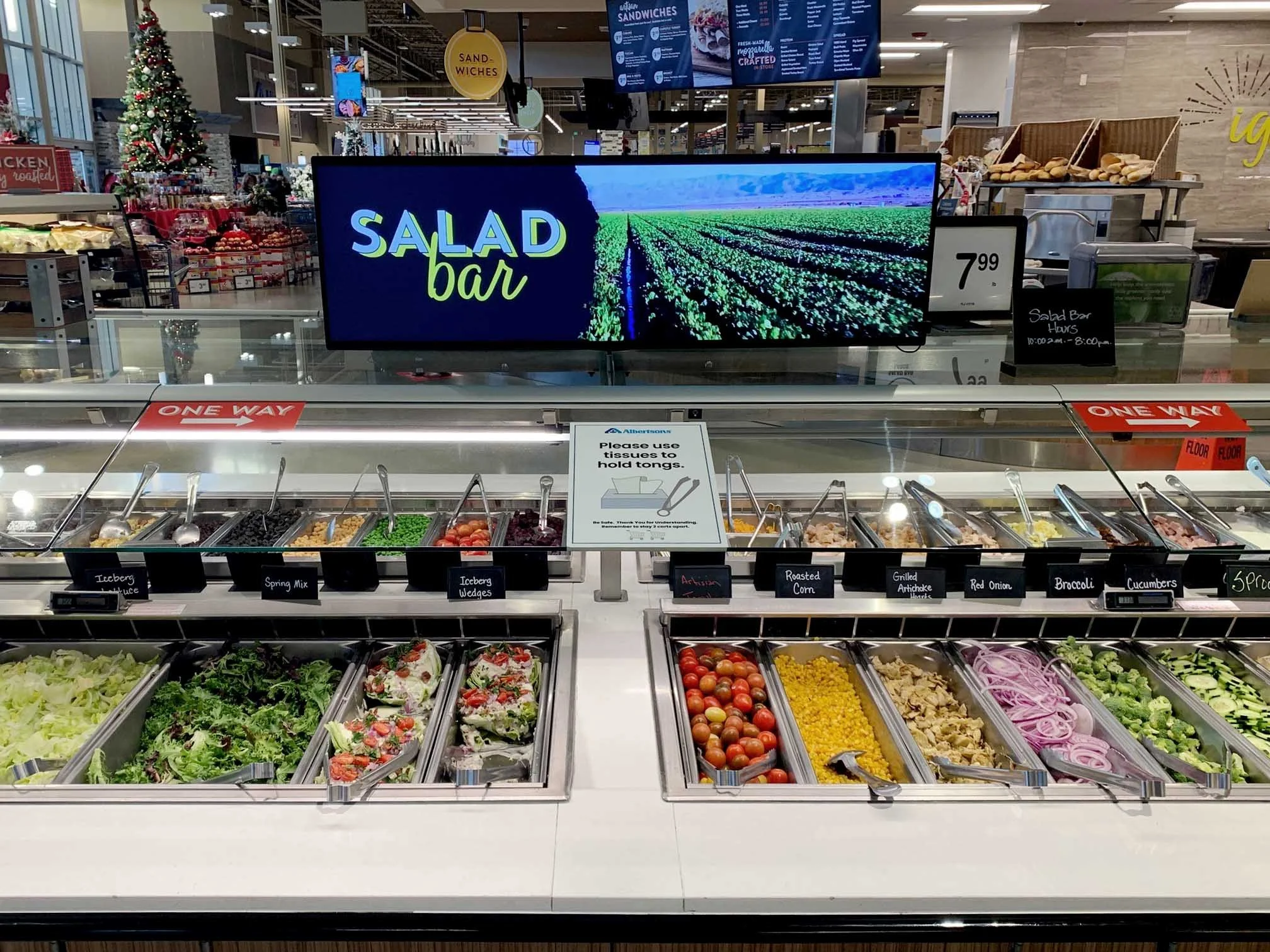
When evaluating a manufacturer, ask questions like:
Is the hardware designed specifically for commercial applications?
Does the manufacturer control the design and production process?
Has the hardware been tested for continuous operation?
Will replacement units be available years from now?
Bluefin designs and manufactures commercial display solutions that are built for demanding environments. Rather than simply rebranding off-the-shelf products, the company develops displays intended for long-term commercial deployments where reliability matters most.
Whether the application is a retail environment, airport, casino, or healthcare facility, dependable hardware reduces downtime and lowers the total cost of ownership over the life of the project.
2. Choose Hardware That Gives You Operating System Flexibility
Technology changes quickly, and the software platform that works best today may not be the right solution five years from now. That's why operating system flexibility has become one of the most important considerations when planning large-scale digital signage deployments. Instead of locking yourself into a single ecosystem, look for hardware that supports multiple commercial operating systems. This allows organizations to standardize on one hardware platform while adapting software as business needs evolve.
Bluefin supports a wide range of commercial operating systems, including:
BrightSign Built-In
Ideal for organizations that prioritize stability, security, and reliable content playback. BrightSign's embedded platform is widely trusted for enterprise signage networks where dependable operation is essential.
Windows
Windows-powered displays provide the computing performance needed for interactive kiosks, wayfinding, touch applications, and graphics-intensive content. They also integrate well with existing enterprise IT environments.
Android
Android offers an affordable and scalable option for organizations deploying hundreds or even thousands of displays. It's particularly well suited for custom applications and cloud-based content management systems.
Linux and ChromeOS
Some organizations require specialized environments or unique software integrations. Hardware that supports Linux or ChromeOS provides additional flexibility without requiring a complete hardware refresh. Having multiple operating system options means your digital signage hardware can adapt as your organization grows instead of forcing expensive replacements down the road.
3. Simplify Installation with Integrated System on Chip (SoC) Technology
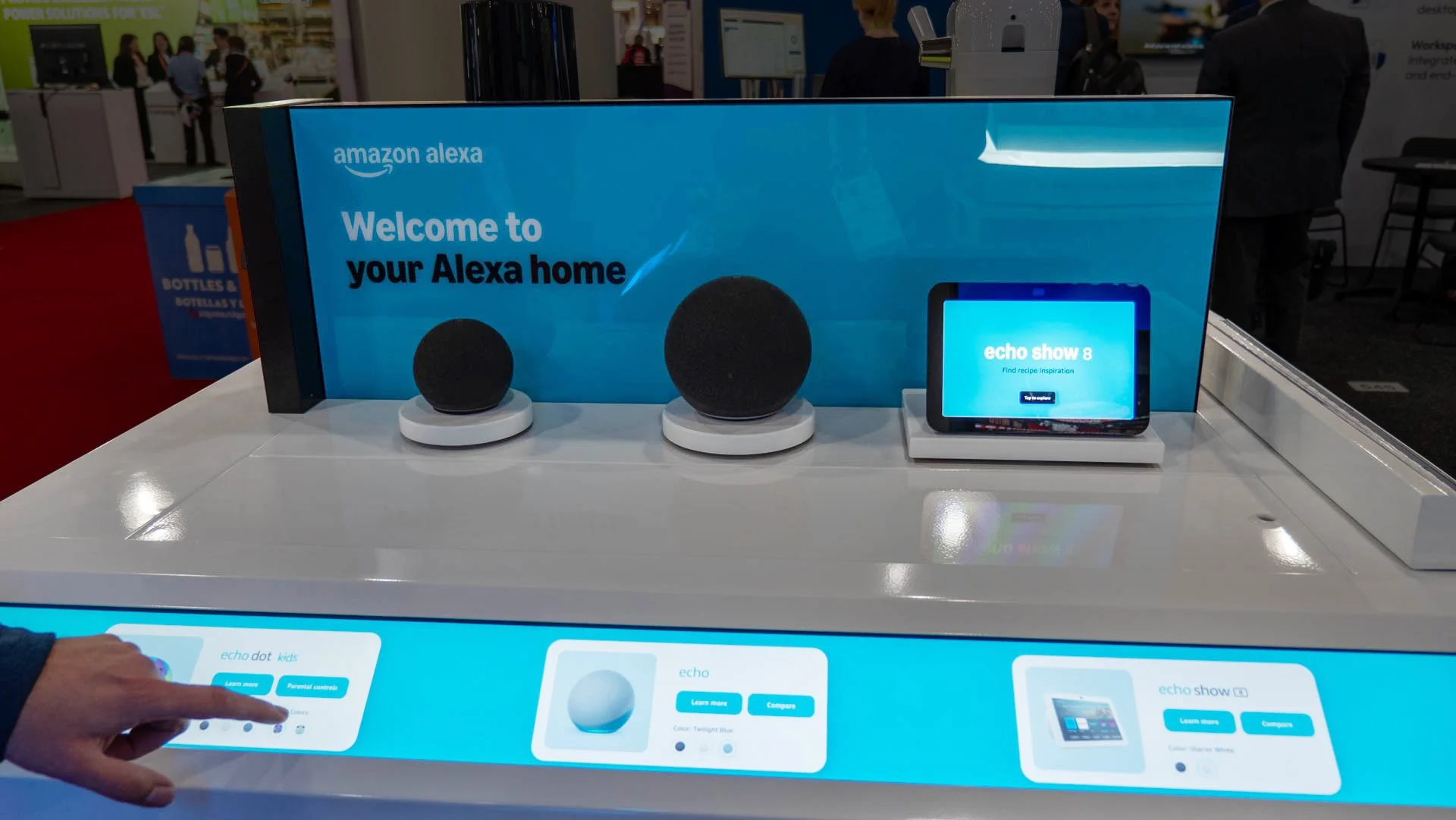
Installation costs can quickly become one of the largest expenses in any multi-site rollout. That's why many organizations are moving toward System on Chip (SoC) displays. Instead of mounting an external media player behind every screen, SoC technology integrates the computing hardware directly into the display.
This approach offers several advantages:
Fewer components to install
Cleaner installations
Reduced cable management
Lower hardware costs
Fewer potential points of failure
Easier long-term maintenance
With fewer external devices, installers spend less time at each location, making large deployments faster and more cost-effective. For organizations managing hundreds of displays, those time savings can translate into significant reductions in labor costs.
Consider Power over Ethernet (PoE)
Another feature worth evaluating is Power over Ethernet (PoE). PoE allows a single Ethernet cable to provide both power and network connectivity to compatible displays.
This can dramatically simplify installations by:
Reducing electrical work
Eliminating separate power supplies
Creating cleaner installations
Lowering overall installation costs
PoE is especially valuable in offices, conference rooms, educational facilities, and environments where installing new electrical outlets would otherwise increase project costs.
4. Don't Overlook Global Logistics and Product Availability
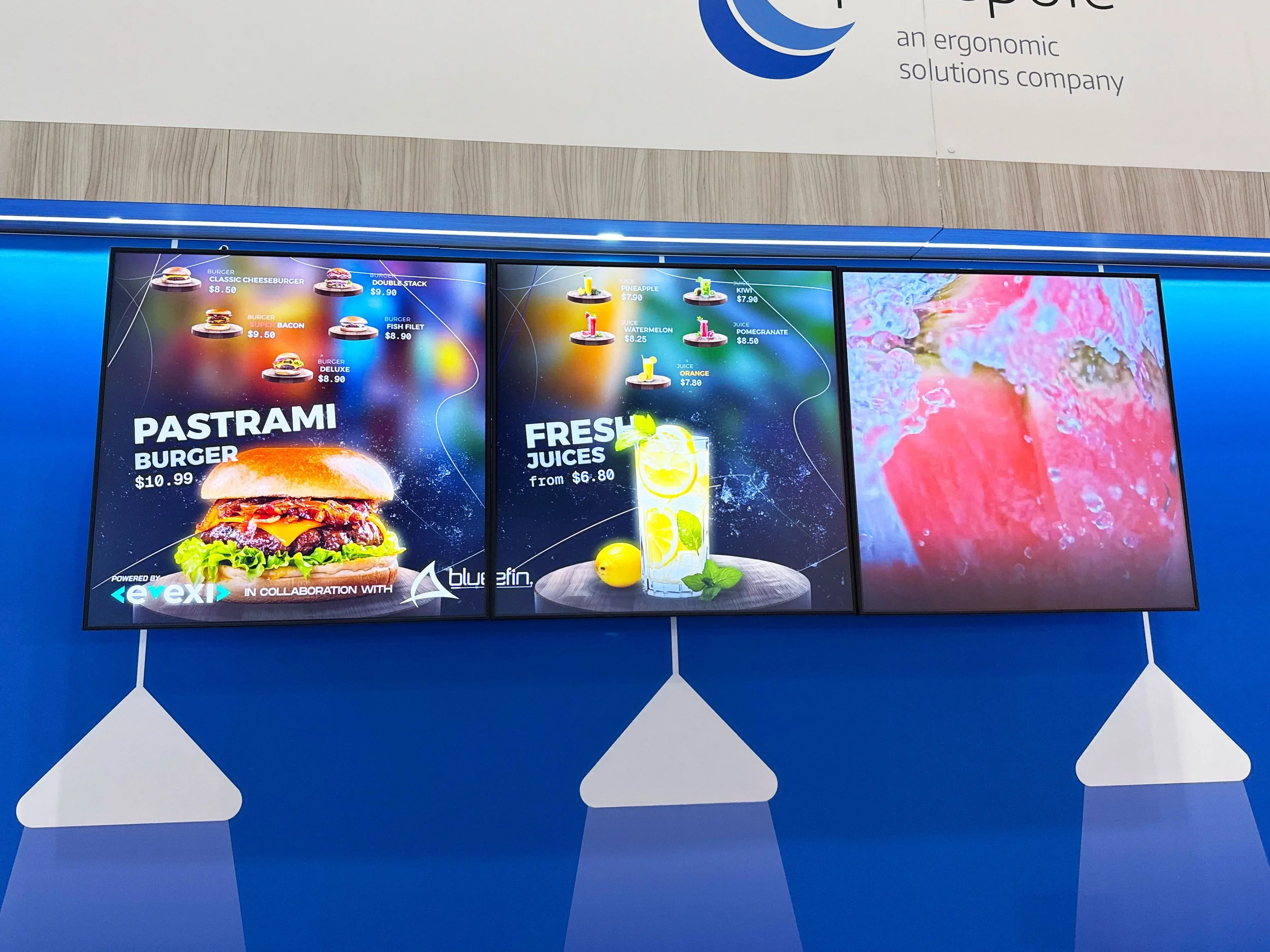
Even the best hardware won't help if it isn't available when your project begins. Supply chain delays continue to affect technology projects around the world, making inventory availability an important part of the buying decision.
When evaluating a hardware manufacturer, ask:
Do they maintain inventory?
Where are products shipped from?
Can replacement units be delivered quickly?
Do they support international deployments?
Bluefin maintains distribution capabilities in both Atlanta, Georgia, and Amsterdam, Netherlands, helping customers throughout North America and Europe receive products faster while simplifying international logistics.
For organizations deploying digital signage across multiple countries, regional inventory helps reduce shipping times, improve project scheduling, and minimize delays caused by customs or international freight.
Many of Bluefin's Core Screens are also available as ready-to-ship products, allowing organizations to move quickly when project timelines are tight.
5. Make Remote Management a Priority
Once your displays are installed, managing them efficiently becomes the next challenge. Sending technicians on-site every time a display experiences an issue isn't practical-especially when managing dozens or hundreds of locations. That's why remote management capabilities have become essential for enterprise digital signage.
Look for hardware that integrates with enterprise content management systems (CMS) capable of providing:
Remote health monitoring
Playback verification
Device status reporting
Firmware updates
Remote troubleshooting
Power management
These tools allow IT teams to identify issues before they become major problems, reducing downtime, and minimizing expensive service calls. Instead of dispatching technicians for routine maintenance, many issues can be diagnosed or even resolved remotely. The result is higher uptime, lower maintenance costs, and a better experience for both administrators and end users.
Think Beyond Today's Deployment
Large-scale digital signage projects should be planned with the future in mind. While today's rollout may include 50 displays, tomorrow's expansion could involve hundreds—or even thousands. Choosing flexible hardware makes future growth much easier.
Look for manufacturers that offer:
Multiple display sizes
Interactive and non-touch options
High-brightness displays
Specialty form factors
Embedded operating system choices
Long-term product availability
This flexibility allows organizations to standardize on a trusted hardware platform while selecting the right display for each environment.
Why Your Hardware Partner Matters
Selecting digital signage hardware isn't simply about choosing a screen. You're choosing a long-term technology partner that will support your deployments for years to come. The right manufacturer should offer more than quality displays. They should provide dependable manufacturing, flexible platform options, reliable inventory, global logistics, and responsive technical support.
Bluefin has built its reputation by helping AV integrators, distributors, OEM partners, and enterprise organizations deploy commercial display solutions that scale. Whether you need ready-to-ship products for a fast rollout or tailored display solutions for a unique application, Bluefin offers a broad portfolio designed specifically for commercial environments.
Final Thoughts
Successful multi-site digital signage rollouts don't happen by accident.
They begin with choosing hardware that's built for commercial use, flexible enough to adapt to future technology, simple to install, easy to manage remotely, and backed by dependable global logistics. By carefully evaluating these factors before purchasing, organizations can reduce downtime, lower maintenance costs, simplify deployments, and maximize the return on their digital signage investment.
If you're planning your next digital signage deployment—or simply evaluating hardware options- visit TheBluefin.com to explore Bluefin's commercial display solutions, embedded operating system platforms, and customizable digital signage hardware built for projects of every size.