
The Choice
When deploying digital signage, one of the key decisions organizations face is whether to use displays with integrated media players or rely on external hardware connected to the screen. Both approaches can deliver compelling digital experiences, but the right choice often depends on the environment, scale, and complexity of the deployment.
As digital displays continue to be integrated into retail environments, museums, corporate spaces, and public installations, many organizations are looking for solutions that simplify installation while maintaining flexibility and reliability.
The Traditional Approach: External Media Players
Historically, most digital signage systems have relied on external media players—small computers connected to a display that store and run the content. These devices provide strong performance and flexibility, making them a popular option for complex deployments or highly customized applications.
External players can be useful when:
running advanced software or graphics-heavy applications
integrating with specialized hardware or sensors
managing highly customized interactive experiences
However, this approach also adds additional components to every display installation. External players require separate mounting, cabling, power, and management, which can increase complexity—especially across large networks of screens.
A Streamlined Alternative: Integrated Media Players
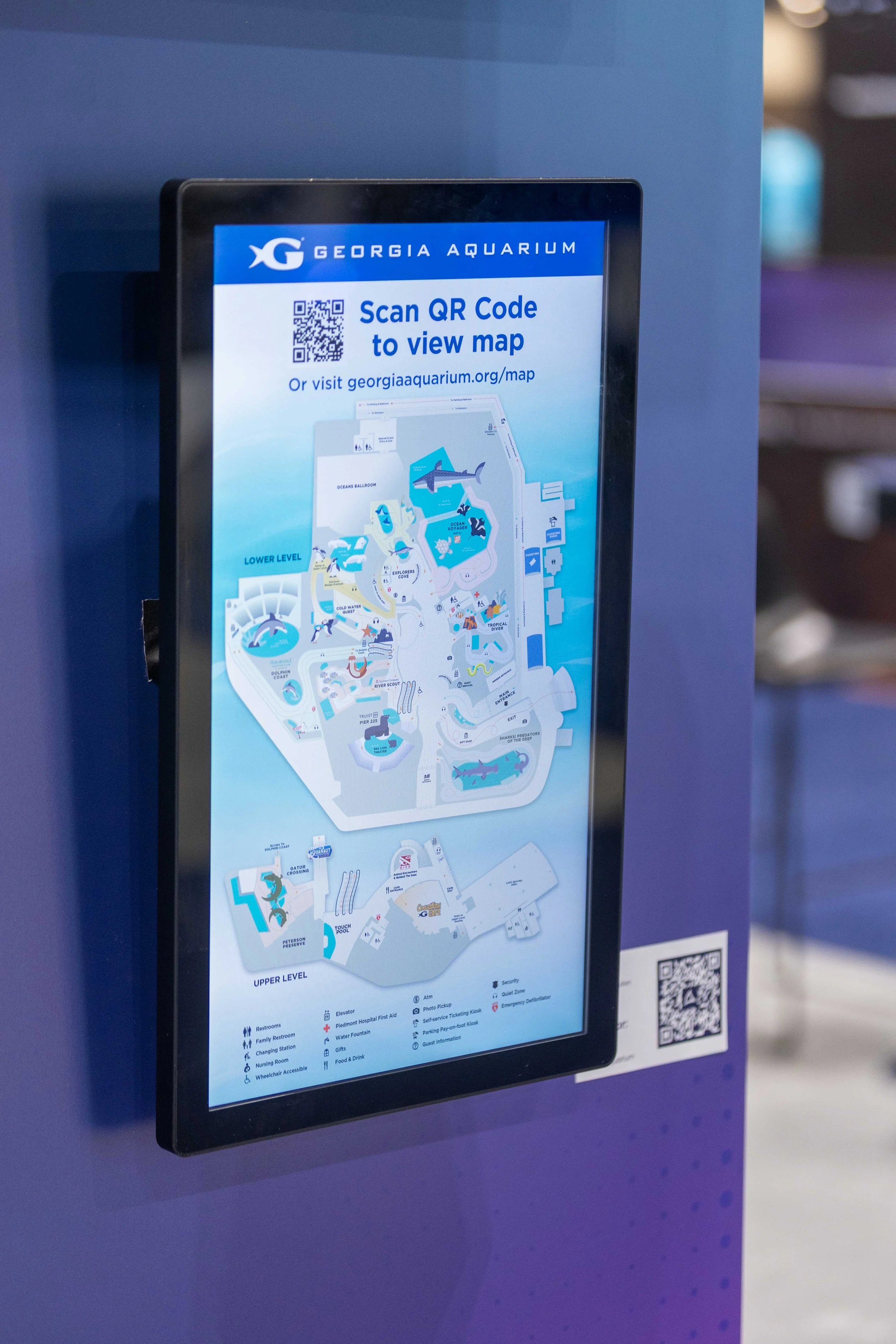
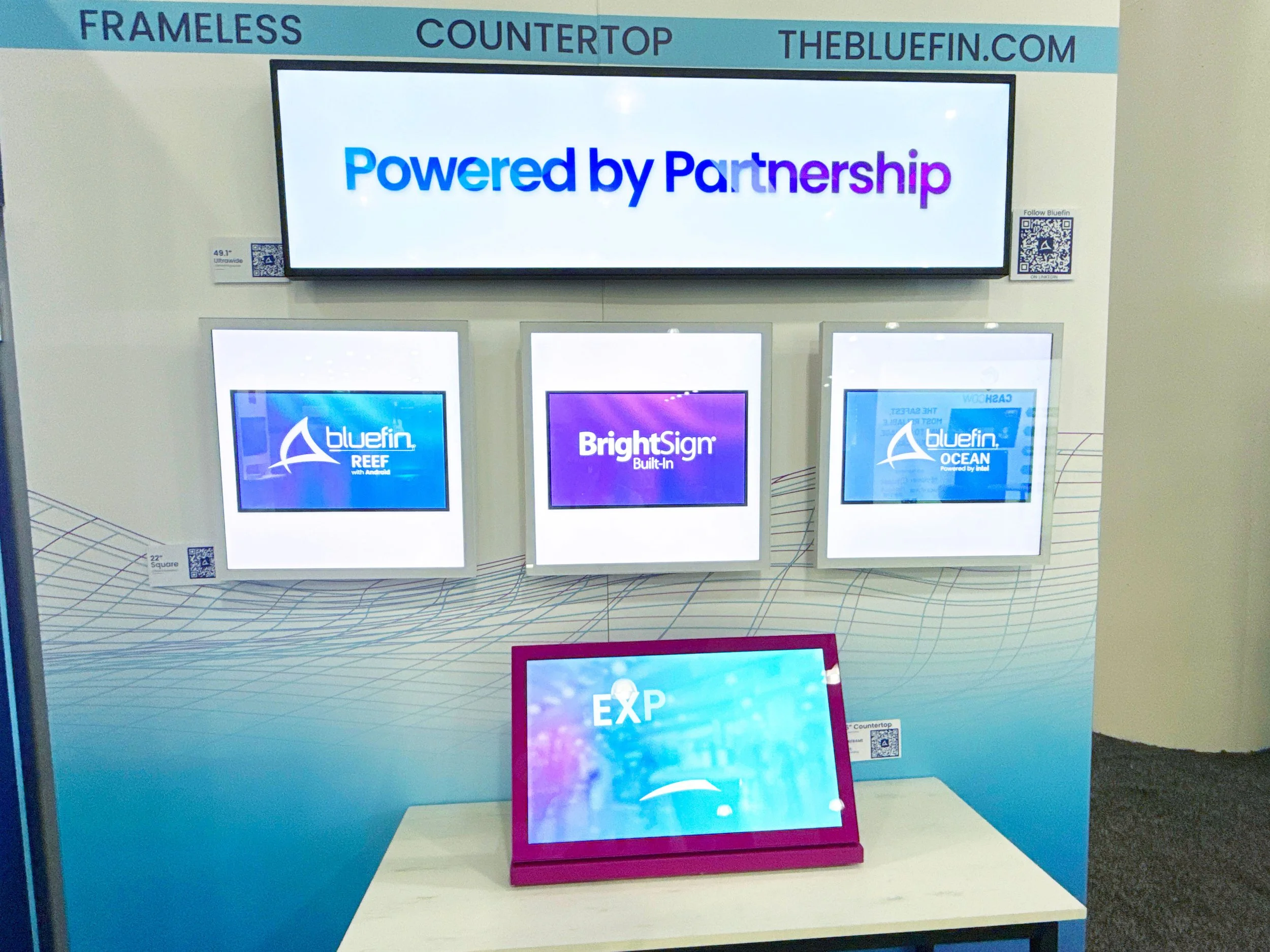
The need for the external player was predicated on the lack of power most internal players provided. That is no longer the case, particularly with Bluefin screens. The full line of our all-in-one displays now include integrated operating systems / built-in media player capabilities that allow content to run directly on the screen.
By eliminating the need for an external device, integrated solutions simplify both installation and long-term maintenance.
With fewer components involved, installations can often achieve:
Slimmer display profiles
Cleaner mounting solutions
Reduced cabling
Simplified deployments across multiple locations
Integrated media players are particularly useful in environments where displays need to blend seamlessly into architectural or designed spaces. In retail environments, museums, and corporate experience centers, minimizing visible hardware helps maintain a clean, intentional aesthetic.
Simplifying Large-Scale Deployments
For organizations managing multiple displays across locations, integrated media players can also help streamline operations. Fewer external components mean fewer devices to mount, power, and maintain, which can reduce installation time and simplify ongoing management.
This approach can be especially valuable in environments where displays are embedded into walls, fixtures, kiosks, or custom installations.
Flexibility When You Need It
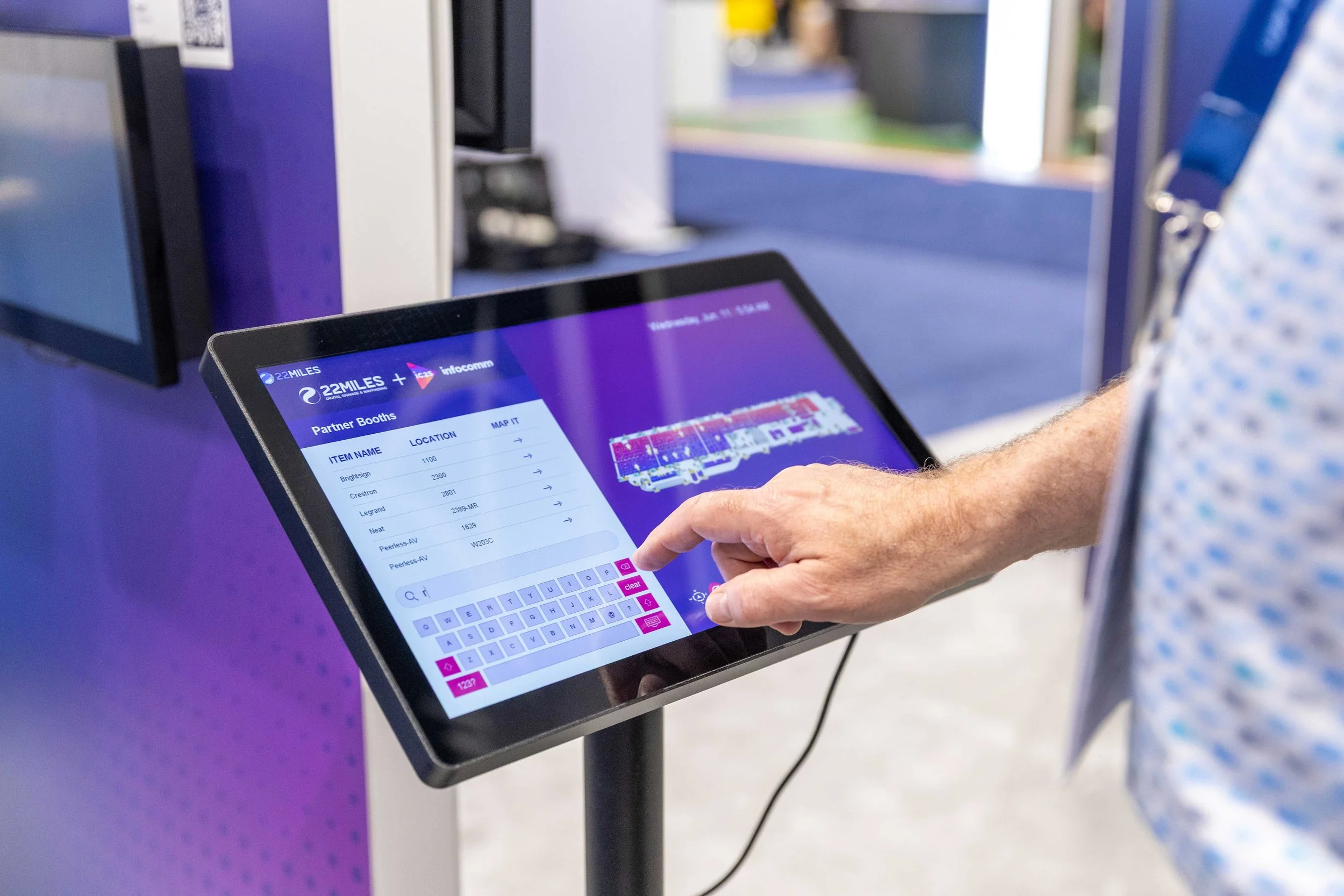
While integrated media players provide a streamlined solution for many applications, some projects still benefit from the flexibility of external hardware. Advanced interactive installations or specialized software may require dedicated computing power.
Because of this, many organizations choose displays that support both approaches, allowing them to use integrated capabilities for standard signage while connecting external players when needed for more complex experiences. [Flex-OS]
Supporting Clean, Purpose-Built Installations
As digital displays become a more common part of physical environments, the goal is often to make the technology feel like a natural part of the space. Displays with integrated media players help reduce visible hardware and simplify installations, making it easier to create clean, intentional digital experiences.
By combining commercial-grade displays with integrated operating systems, organizations can deploy digital signage solutions that are both visually streamlined and operationally efficient.