
The Rise of Experiential Retail: How Digital Displays Support Immersive Store Experiences
The New Normal
Retail has changed dramatically over the past decade. As ecommerce has grown, physical stores have had to evolve beyond simply being places to purchase products. Today, many brands are transforming their stores into experiential environments—spaces where customers can interact with the brand, explore products in engaging ways, and form deeper connections.

This shift toward experiential retail is reshaping how stores are designed and how technology is integrated into the shopping experience. Digital displays, when thoughtfully implemented, are playing an important role in helping retailers create these dynamic environments.
Transactions or Experiences
Traditional retail stores were primarily built for efficiency: product shelving, promotional signage, and checkout counters designed to move customers through a purchase journey.
Experiential retail takes a different approach. Instead of focusing only on transactions, stores are designed to create memorable moments that immerse customers in the brand’s story. Flagship stores, pop-up shops, and modern retail environments now include elements such as interactive installations, immersive visual displays, and digital storytelling.
The goal is to turn the store into a destination—one that encourages customers to spend more time exploring and engaging with the brand.
Digital Displays Bring Brand Stories to Life
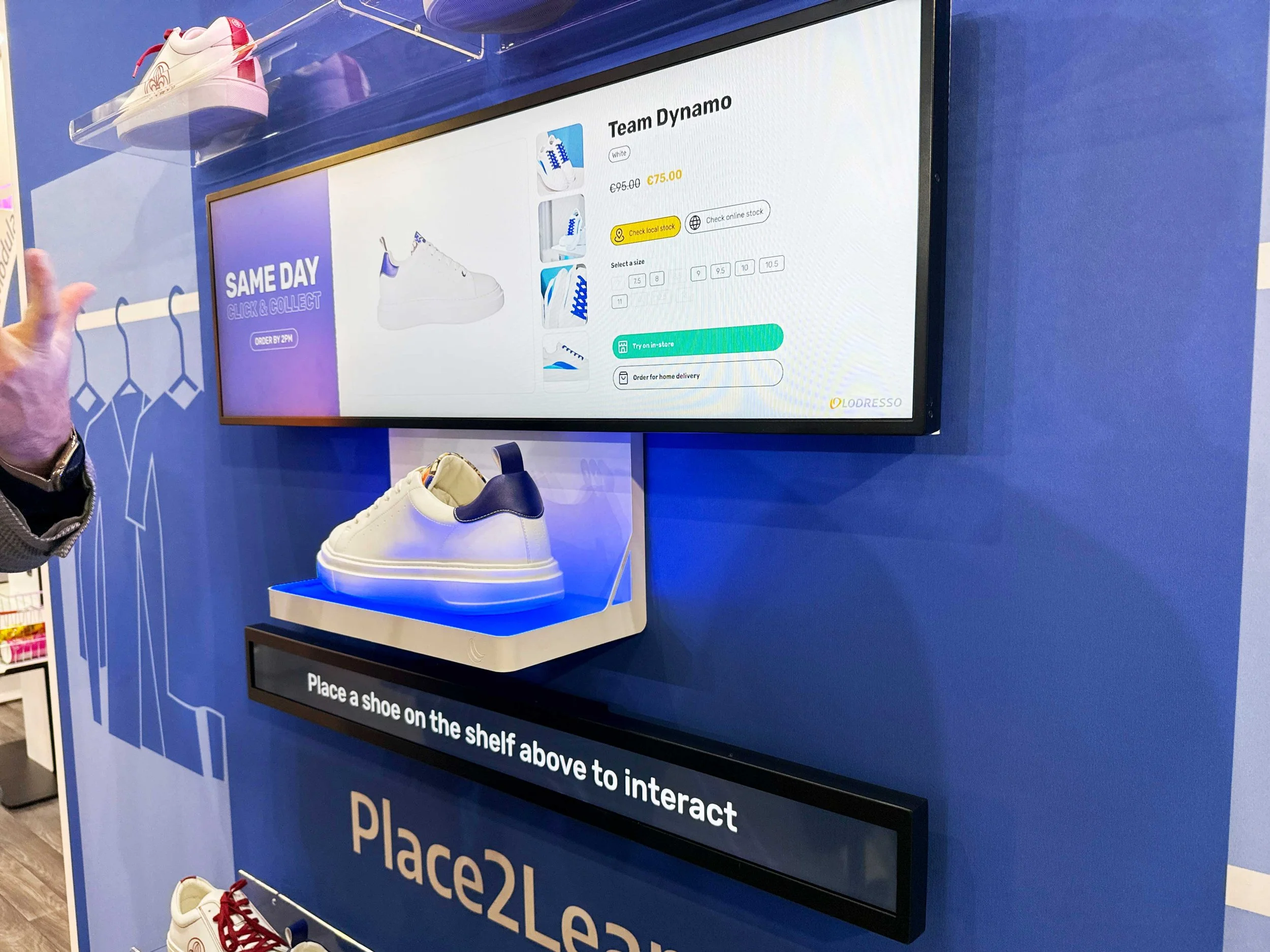
One of the most effective ways to enhance experiential retail is through dynamic visual storytelling. Digital displays allow retailers to present brand narratives through motion, video, and interactive content that captures attention far more effectively than static signage.
Large-format displays and ultra-wide screens can be used to showcase brand films, lifestyle imagery, and product stories that reinforce a brand’s identity. These visual elements help create an atmosphere that connects customers emotionally to the brand.
Unlike printed signage, digital displays can also evolve alongside marketing campaigns. Content can be updated instantly to reflect new product launches, seasonal promotions, or brand initiatives, keeping the store environment fresh and relevant.
Feel the Brand Moments
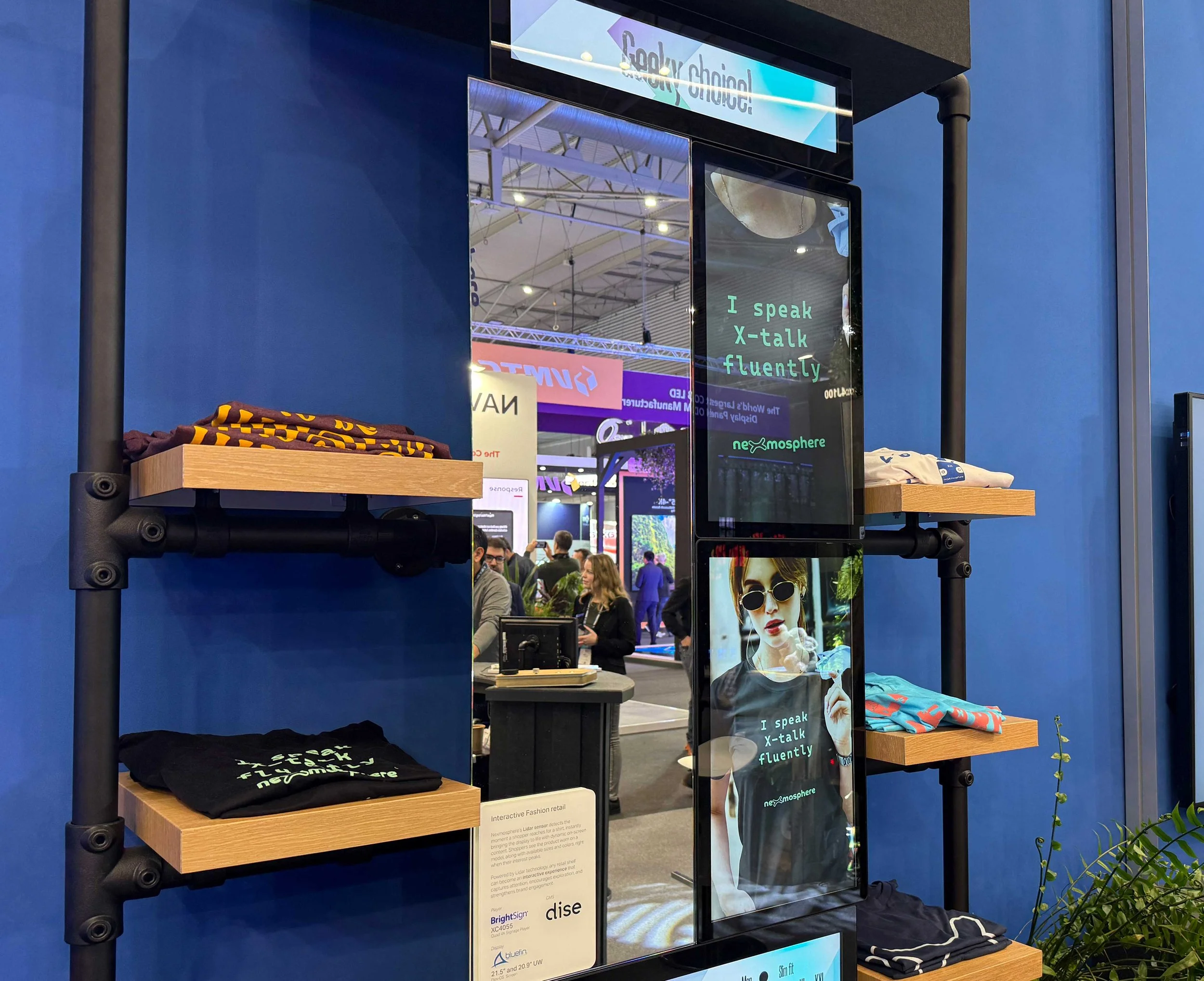
Experiential retail often encourages customers to actively participate in the shopping experience. Interactive displays allow shoppers to explore product features, browse additional options, or learn more about the brand through engaging digital interfaces.
Touch-enabled kiosks, digital product catalogs, and interactive displays can help customers discover information that might not be easily communicated through traditional signage. In many cases, these tools complement in-store staff by giving shoppers access to deeper product knowledge and inspiration.
These digital touchpoints can also bridge the gap between online and in-store experiences, bringing the convenience and information of ecommerce into the physical environment.
Display Design Matters
One of the key principles of experiential retail is that technology should feel like a natural part of the environment rather than an afterthought. When displays are integrated into architectural elements—such as walls, fixtures, or custom installations—they help create cohesive spaces where digital content enhances the overall design.
Slim display profiles, clean mounting options, and flexible form factors make it easier for designers to incorporate screens into the store without disrupting the aesthetic.
This approach allows technology to support the experience while keeping the focus on the brand and the products.
Supporting Dynamic Retail Environments

Experiential retail environments often change frequently as brands introduce new campaigns, products, and creative concepts. Digital displays make it easier to adapt these spaces quickly by allowing content to be updated without replacing physical signage.
This flexibility helps brands keep stores visually dynamic while maintaining consistent messaging across locations.
The Future of Retail Experiences
As retailers continue to rethink the role of physical stores, experiential environments will likely play an even larger role in the customer journey. Digital displays will remain an important tool for bringing these environments to life—helping retailers create spaces that inspire discovery, engagement, and connection.
When thoughtfully integrated into store design, digital displays become more than screens. They become part of the experience, helping transform retail spaces into immersive brand environments that customers remember long after they leave the store.