
How Digital Displays Drive Sponsorship Value in Modern Stadiums
Stadiums have evolved far beyond their original purpose as places to watch a game. Today, they are multi-purpose entertainment venues designed to deliver immersive fan experiences while maximizing revenue opportunities.
In this new model, digital displays are no longer just tools for communication—they are strategic assets that play a critical role in driving sponsorship value and unlocking new revenue streams.
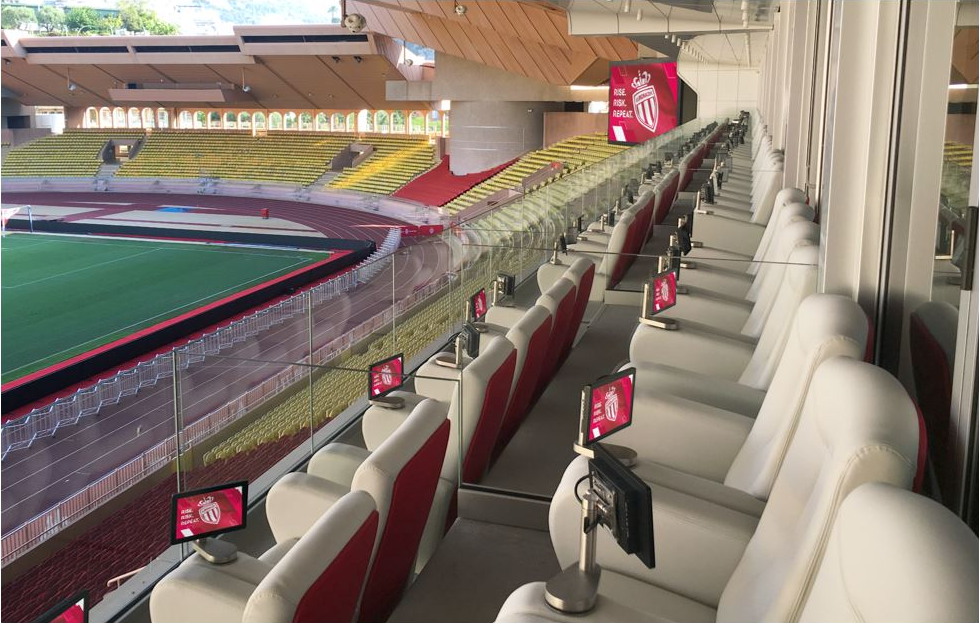
From Signage to Media Network
Traditionally, stadium signage was static: printed banners, fixed sponsor placements, and limited opportunities for change. While effective, these formats lacked flexibility and constrained revenue potential.
Digital displays have changed that equation.
With dynamic content capabilities, stadiums can now operate more like media networks, where sponsorship placements are:
flexible
programmable
scalable
Instead of a single sponsor occupying a space for an entire season, digital displays allow multiple brands to rotate through premium placements—maximizing the value of every screen in the venue.
Expanding Sponsorship Inventory

One of the biggest advantages of digital displays is the ability to increase available sponsorship inventory without expanding physical space.
A single display can support:
multiple sponsors per game
time-based content rotations
targeted messaging for different audiences
This flexibility allows sponsorship teams to create more packages, tailor offerings to partners, and drive incremental revenue from existing infrastructure.
Premium Placements, Greater Impact
Not all sponsorship placements are created equal. High-traffic areas such as:
main concourses
entry points
premium lounges
concession areas
offer prime opportunities for brand visibility.
Large-format and strategically placed displays can transform these locations into high-impact digital canvases, capturing fan attention and delivering stronger sponsor engagement compared to static signage.
Dynamic content—video, animation, and real-time messaging—further enhances the value of these placements by making them more engaging and memorable.
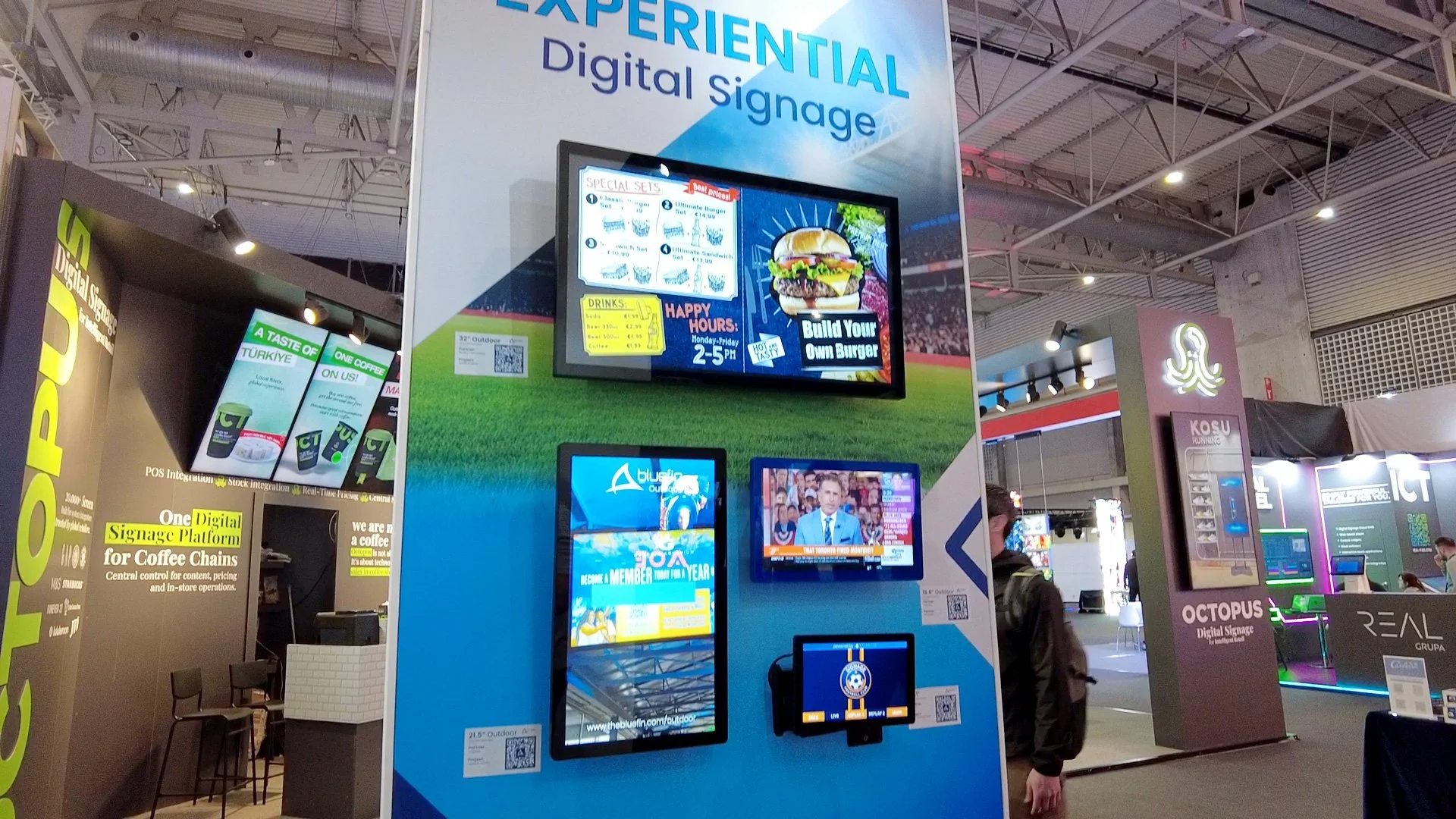
Real-Time Campaign Flexibility
Digital displays also give stadium operators the ability to adapt campaigns in real time.
Content can be updated to reflect:
game-day moments
sponsor activations
promotions and offers
event-specific messaging
This level of flexibility allows sponsors to stay relevant and responsive, creating more meaningful connections with fans during live events.
Supporting Long-Term Revenue Growth
As stadiums continue to invest in digital infrastructure, displays are becoming central to long-term revenue strategies. They support not only traditional sponsorships, but also emerging models such as:
venue-based media networks
data-driven advertising
integrated brand experiences
By transforming displays into revenue-generating assets, stadiums can increase the return on their technology investments while delivering more value to sponsors.
Built for High-Performance Environments
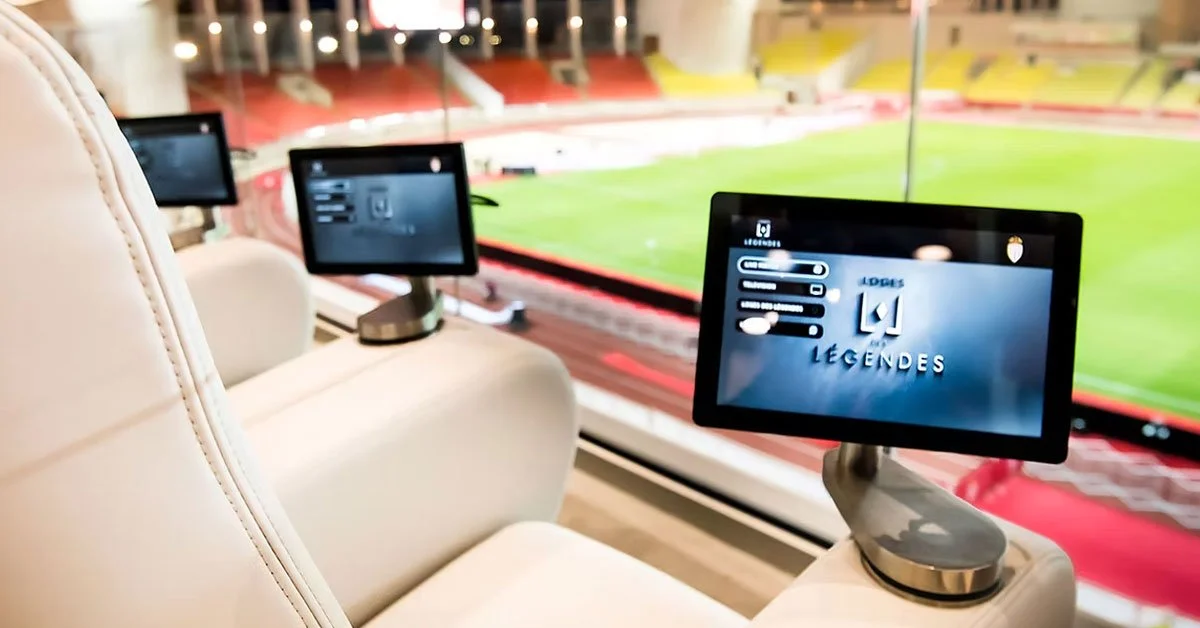
To fully realize this potential, display technology must be designed for the realities of stadium environments—high traffic, long operating hours, and zero tolerance for downtime during live events.
Commercial-grade displays with flexible formats, reliable performance, and clean integration into venue design help ensure that digital assets remain operational and effective throughout the life of the venue.
Unlocking the Full Value of the Venue
In modern stadiums, every surface is an opportunity—and digital displays are one of the most powerful ways to activate that space.
By shifting the mindset from signage to revenue-generating media, venues can unlock new opportunities for sponsorship, enhance fan engagement, and create more dynamic, profitable environments.
As the industry continues to evolve, digital displays will play an increasingly important role in helping stadiums maximize both experience and revenue.